
Chưa được phân loại
Why I Switched to a Multi-Chain Browser Wallet (and Why You Might Want To)
Okay, so check this out—
Whoa! I’m biased, but wallet choice matters. My first reaction was pure convenience: one click and you’re in. Then things got messy. Initially I thought a single-chain wallet would do fine, but then I started juggling addresses, networks, and gas fees and my instinct said “this is dumb”.
Seriously? Yeah. Using multiple wallets felt like wearing three watches that all show different times. On one hand it was flexible. On the other hand, actually managing those keys was a pain, especially when interacting with DeFi dApps that switch chains without telling you. I learned the hard way—approval fatigue is real, and so is stray gas.
Here’s what bugs me about a lot of wallets: they promise simplicity but hide complexity under the hood. That part bugs me. A lot. My gut feeling said there had to be a better middle ground—ease without sacrificing security. I started hunting for a multi-chain browser extension that felt like a power tool and not a toy.
A quick, human take on multi-chain wallets
Hmm… multi-chain doesn’t mean chaotic. It means a wallet that understands Ethereum Layer 1, Layer 2s, and EVM-compatible chains so you don’t have to re-create an account for each chain. In practice that means: one seed, many networks, and sane UX for switching between them. My first impression was optimism, then skepticism, then an “aha” when I saw a wallet that combined clear account labels, per-dApp permissions, and gas management tools.
Okay—so if you’re picky about safety, look for a wallet that separates permission controls from account keys. Something that shows you which dApp asked for what, and lets you revoke or limit allowances without going full on-chain detective. I’m not 100% sure a single wallet can be perfectly secure, but consolidating into one vetted extension felt safer than juggling five random wallets from sketchy sites.
Why browser extensions still win for many users
Browser extensions sit where you work. They auto-fill, they sign, and they act fast. The trade-off is that they’re always present and thus always a target. So, pick one with a good security model: hardware wallet integration, permission granularity, and transaction previews. I like hardware-backed signing for high-value moves. For daily swaps, speed matters too—so having L2 support baked in is huge.
Also, UX matters. If transaction confirmation screens use clear language and show actual token amounts, you lose fewer coins to mistakes. (Oh, and by the way… a little mnemonic note-taking helps—trust me.)
My experience with Rabby
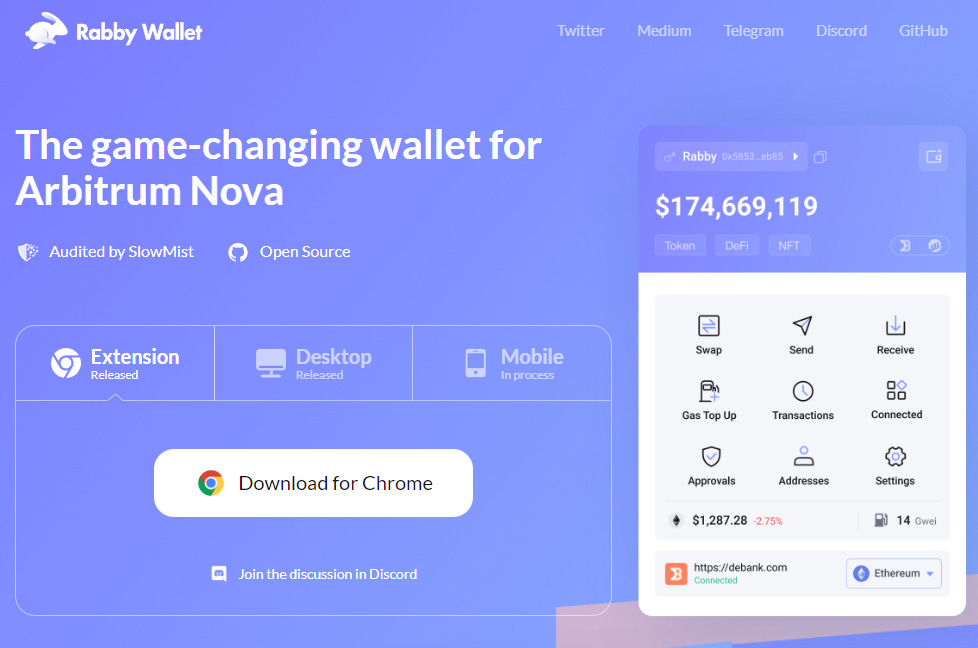
I’ll be honest: I tried several wallets. Some were clunky. Some were slick but shallow. Then I landed on a browser extension that struck a balance between features and simplicity—rabby. It felt deliberate. The interface walked me through adding networks and connecting to dApps without spamming approvals. Initially I was cautious, but after using key features—per-site permissions, clear nonce management, and hardware wallet support—my confidence grew.
Something felt off at first—like any new piece of software—but the permission history and allowance revocation tools made me breathe easier. In particular, the way it handled Layer 2 gas estimation removed a lot of guesswork. The onboarding wasn’t perfect; there were a couple of tiny annoyances (UI wording that could be clearer), but overall it was a solid step up from the fragmented setup I’d been living with.
Security checklist I actually use
Short list—because no one reads long lists.
– Use a hardware wallet for big amounts.
– Keep your seed offline and in multiple secure locations. Yes, multiple.
– Revoke unnecessary allowances. Seriously, do it. Apps keep allowances forever otherwise.
– Prefer wallets that let you review raw transaction data and show destination contract code when possible.
One practical tip: maintain a small “hot” account for day-to-day swaps and a cold vault for holdings you won’t touch. It reduces risk and keeps your hot wallet from becoming a single point of failure.
Common questions I get asked
Is a multi-chain wallet less secure than single-chain ones?
Not inherently. Security depends on design and user behavior. A well-built multi-chain extension with hardware support and clear permission controls can be more secure than using several poorly maintained single-chain wallets. Initially I worried about attack surface; actually, consolidating into a reputable extension often reduces the number of risky interactions you have to manage.
Can I use a hardware wallet with these browser extensions?
Yes. Most good extensions support hardware device integration so you can approve high-value transactions offline. I always pair that with a smaller hot wallet for quick swaps. It’s a tiny bit more setup, but the peace of mind is worth it.
Listen—if you’re tired of switching accounts and losing time, a multi-chain browser wallet is worth trying. Try small first. Test approvals. Revoke allowances after experiments. And if you want a practical starting point, check out rabby—it helped me cut down the noise without giving up control.
I’m not saying it’s perfect. There are rough edges and features I want improved. But moving from scattered wallets to a single, capable extension made my DeFi life simpler, and that was a relief. Somethin’ about fewer tabs, fewer approvals, and clearer gas estimates just feels better. Really.