
Chưa được phân loại
Why hardware wallets, NFT support, and staking together finally feel like a usable Web3 stack
Wow! Okay—hear me out. Web3 used to feel like a patchwork of cool tech and maddening UX. The pieces were great. But getting them to play nicely was often a pain. My instinct said: security or convenience, pick one. Seriously? That old trade-off is changing.
Initially I thought hardware wallets were mostly for crypto maximalists who liked carrying a little USB key. But then I started paying attention to how more wallets are building interfaces that let hardware devices handle everyday actions—signing NFTs, approving staking transactions—without exposing private keys. Actually, wait—let me rephrase that: the tech was there, and the UX caught up, slowly but surely. On one hand you have ironclad cold storage. On the other, you have chains and dApps begging for fast interaction. Though actually, there’s a middle path emerging.
Here’s what bugs me about the early days: people treated NFTs like collectibles only, not as on-chain assets that need the same care as tokens. That caused a bunch of avoidable losses. Also, staking was often handled separately from wallets, with centralized middlemen taking fees and control. Hmm… somethin’ had to give.
Check this out—the best modern wallets are doing three things at once: native hardware wallet integration, robust NFT management, and on-chain staking support. That combo reduces friction while keeping security high. It sounds simple. It isn’t. But it’s the direction that matters.
What good hardware wallet support really means
Whoa! Short answer: real hardware integration keeps your private keys offline while still letting you interact with apps. Medium answer: a wallet that supports hardware devices should do more than detect a key—it should abstract signing flows, educate the user at each step, and fallback gracefully when the device isn’t connected. Long answer: the wallet needs to mediate between UX constraints (fast approvals, metadata display) and the hardware’s strict rules (you must confirm precise details on-device), and do so across multiple chains so your experience doesn’t fragment as you move from Ethereum to Solana to BSC or beyond.
Hardware compatibility isn’t only about plugging in a dongle. It involves firmware updates, secure element attestation, and developer tooling so dApps can request signatures in a safe, standardized way. You want deterministic signing prompts so you don’t approve garbage transactions by accident. And yeah—recovery flows matter. A lost device shouldn’t mean lost assets, but the fallback must still be secure.
So the checklist:firmware integrity, easy pairing, clear on-device prompts, multisig options, and support for multiple standards. If a wallet nails those, you’re in good shape. If not, don’t trust it with large positions.
NFTs: not just pictures, but stateful assets
NFT handling needs a rethink. NFTs are not just visual tokens; they often contain metadata, royalties, and smart-contracted behaviors that require approved interactions. Many wallets show an image and stop there. That’s deceptive and risky. You need to know provenance, token standards, and what gas you’ll pay. Also galleries should let you sign sales, approve marketplace operators, and revoke dangerous approvals without needing to jump through hoops.
Some wallets sidestep the problem by outsourcing metadata to centralized servers—fast but fragile. A better approach caches metadata but validates on-chain ownership when possible. That reduces surprises. (Oh, and by the way—user education matters. When a contract asks for blanket approval, the UI should call it out in plain English.)
Another useful feature: viewing signature requests with human-friendly names for methods, not raw hex. That’s the kind of polish that prevents mistakes. And yeah, sometimes the UI will be a little clunky across different NFT standards—expect somethin’ like that, but don’t accept it.
Staking from a wallet: cold security meets yield
Staking is where the security/convenience trade-off gets interesting. You want to stake to earn yield, but you don’t want to leave control with a custodian. So wallets that let you stake while keys remain in hardware are powerful. They let you sign delegation messages locally while the staking logic executes on-chain. Nice.
On the other hand, not all staking models are equal. There’s plain delegation, liquid staking derivatives, and validator selection. A wallet that supports staking should show estimated rewards, slashing risks, and withdrawal timings. It should also support undelegation flows and emergency unstake remediation guidance. If the UI hides these complexities, that’s a red flag.
Hardware-backed staking has limits—some chains require validators to run signer nodes, or have tight latency constraints. So, sometimes you’ll use the hardware wallet for delegation and then rely on network-level services for validator operations. On balance, this is a good compromise when handled transparently.
Multichain realities and interoperability
Here’s a real friction point: token standards and transaction types differ across chains. Multi-chain wallets must translate the signature semantics for each ecosystem and still present consistent UX. That’s tough. Developers need a common signing abstraction, but somethin’ often gets lost in translation. The result? Users see different prompts and trust erodes.
So what to look for: unified address management (so you don’t accidentally send ETH to a BSC address), clear chain indicators in the UI, and deterministic signing previews that are accurate across chains. If a wallet can do hardware-backed signatures across EVM and non-EVM chains while keeping prompts sensible, it’s doing well.
I’ll be honest—there’s no perfect solution yet. But some projects are getting closer by investing in developer tooling and standardizing on well-audited signing libs.
Where wallets like truts wallet fit
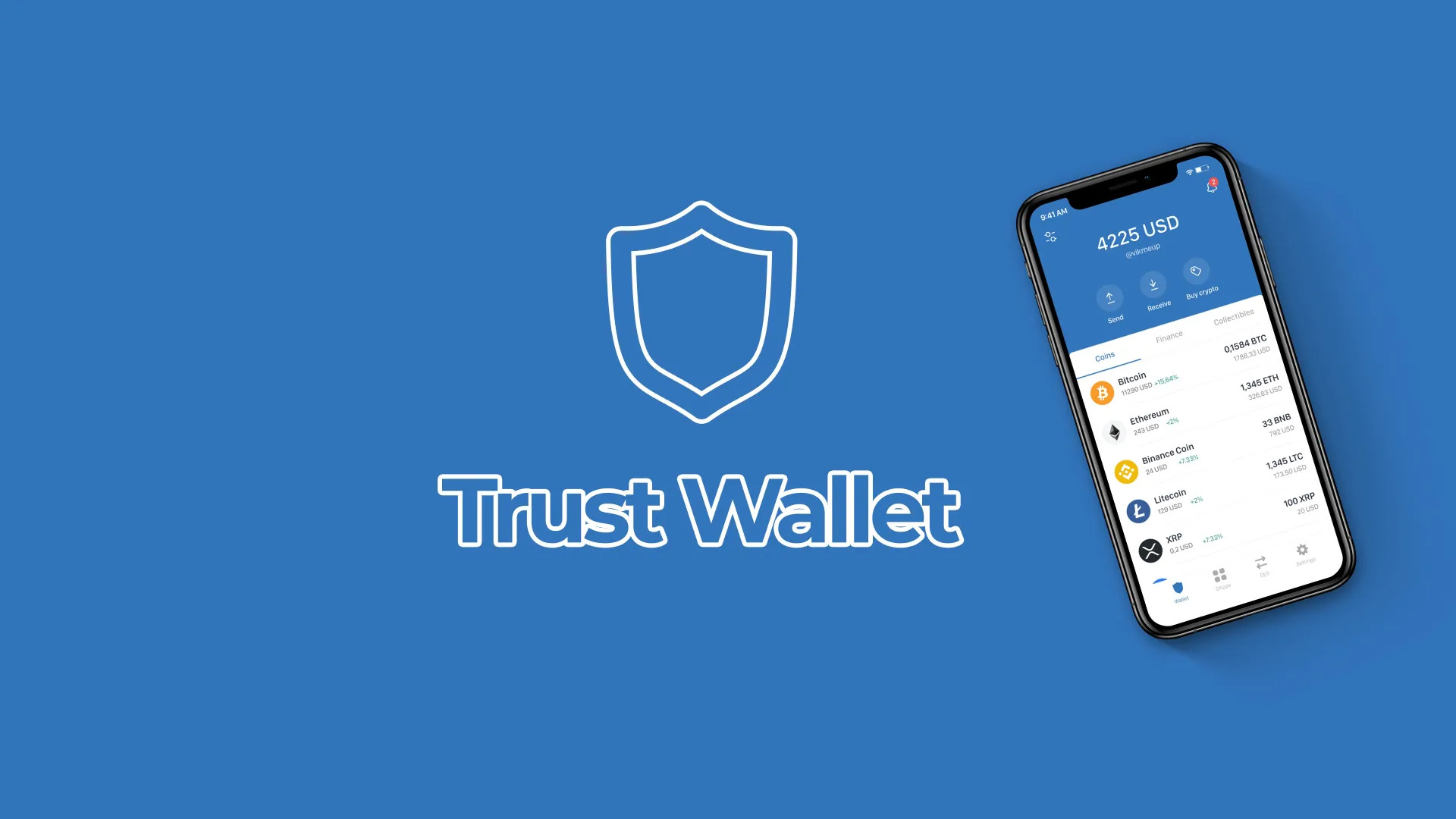
Okay, so check this out—wallets that combine hardware support, NFT management, and staking in one product are rare but powerful. I recommend looking into options that prioritize security and user education. A good example is truts wallet, which blends hardware compatibility with on-chain staking tools and NFT galleries in a single interface. They don’t try to hide risks, and they give you the controls you need. I’m biased, but the clarity in their UX is refreshing.
That said, always validate: run small transactions, confirm on-device prompts, and review contract approvals periodically. Don’t go all-in on a new wallet just because the onboarding looked slick.
FAQ
Can I use a hardware wallet to manage NFTs and stake tokens?
Yes. Most modern hardware devices support signing the necessary transactions for NFT transfers, marketplace approvals, and staking delegations. The wallet must mediate the flows so you confirm meaningful details on-device. Test with small amounts first.
Are there chains where hardware staking isn’t possible?
Some chains have validator or staking designs that complicate direct hardware-only staking. In those cases, you may delegate via a software service while keeping your keys in hardware for signing delegation transactions. It’s a trade-off and depends on the chain’s rules.
How should I audit a wallet for security?
Look for independent audits, transparent code, active updates, and clear recovery instructions. Check how the wallet handles firmware attestation and whether it supports multisig and clear revocation of approvals. And again—try small transactions to validate behavior.